| NGOs Show their Worth in China Development Project
Since March 2002, the China Family Planning Association (CFPA) has been implementing the Poverty Alleviation Model Project in Sandu County, Guizhou Province - the Integration of Improving People's Lives, Humane-centered Family Health Care and Eco-farming" It was the first NGO-implemented project in China entrusted by JICA.
From 5th to 21st December 2004, JICA sent Yukio Homma, Director, and Chihiro Uchiyama, Assistant Program Officer, China Program, JOICFP, to conduct a project evaluation prior to the end of the project in February 2005.
The evaluation was carried out considering project relevance, effectiveness, efficiency, impact and sustainability, and achievement was measured using the indicators of the project design matrix.
The evaluation team also made a field trip to observe project activities, and held a project review meeting where concerned parties reported on progress and future plans.
Health
The health and environmental conditions of the rural people has improved as a result of the project's efficient information, education and communication (IEC) activities. Women's health indicators have risen and most women recognize the importance of regular health checks. However, in some villages there is a lack of services, and in others more community uptake of services is required.
In the two project townships, parasitic infection rates have decreased with the successful promotion of prevention activities through schools.

Receiving a health check in Tangzhou township
Revolving funds
Technological training has successfully been delivered to administrative and technical staff, and farmer's skills have also been upgraded. However, one area that was seen to need improvement was the management of credit. Accordingly, the evaluation team recommended using a management association to better manage funds.

This Shui minority villager has an income
from weaving supported by the revolving fund
Eco-farming
The evaluation team saw that eco-farming projects such as the construction of biogas plants and sanitary facilities had been well achieved. Notably, the construction of biogas plants had spread to villages surrounding the model villages.

School children listening eagerly to a lecture on sanitation
Summary
For the most part, the objectives of the project were seen to have been achieved. Through interviews and field observations, community people and project personnel highly evaluated the project, despite its short period of execution.

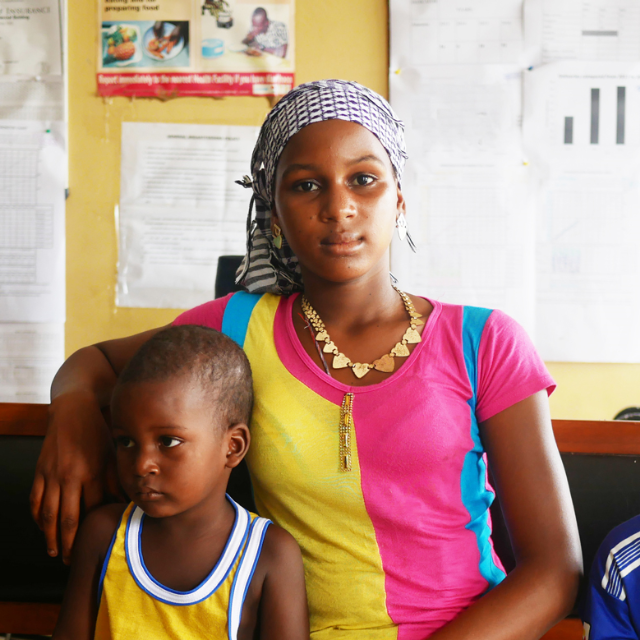
During an interview with Miao-minority women
in Yangwu village
Recommendations
The importance and value of spreading the model project and its experiences to other regions is recognized by the Chinese side. The evaluation team recommended that the second phase of the project be implemented, and supported by JICA, and that follow-up support, mainly in training, be provided to assist in the independent development of Sandu County.
Conclusion
The health and economic conditions of rural people living in the project area have greatly improved as a result of project activities. Furthermore, increased collaboration among all the concerned parties has led to a strengthening of ability to further develop project activities.
In addition, one of the biggest achievements of the project has been the successful collaboration between the NGO sector and the government, clearly showing that NGOs are able to play a major role in promoting services in China.
|