
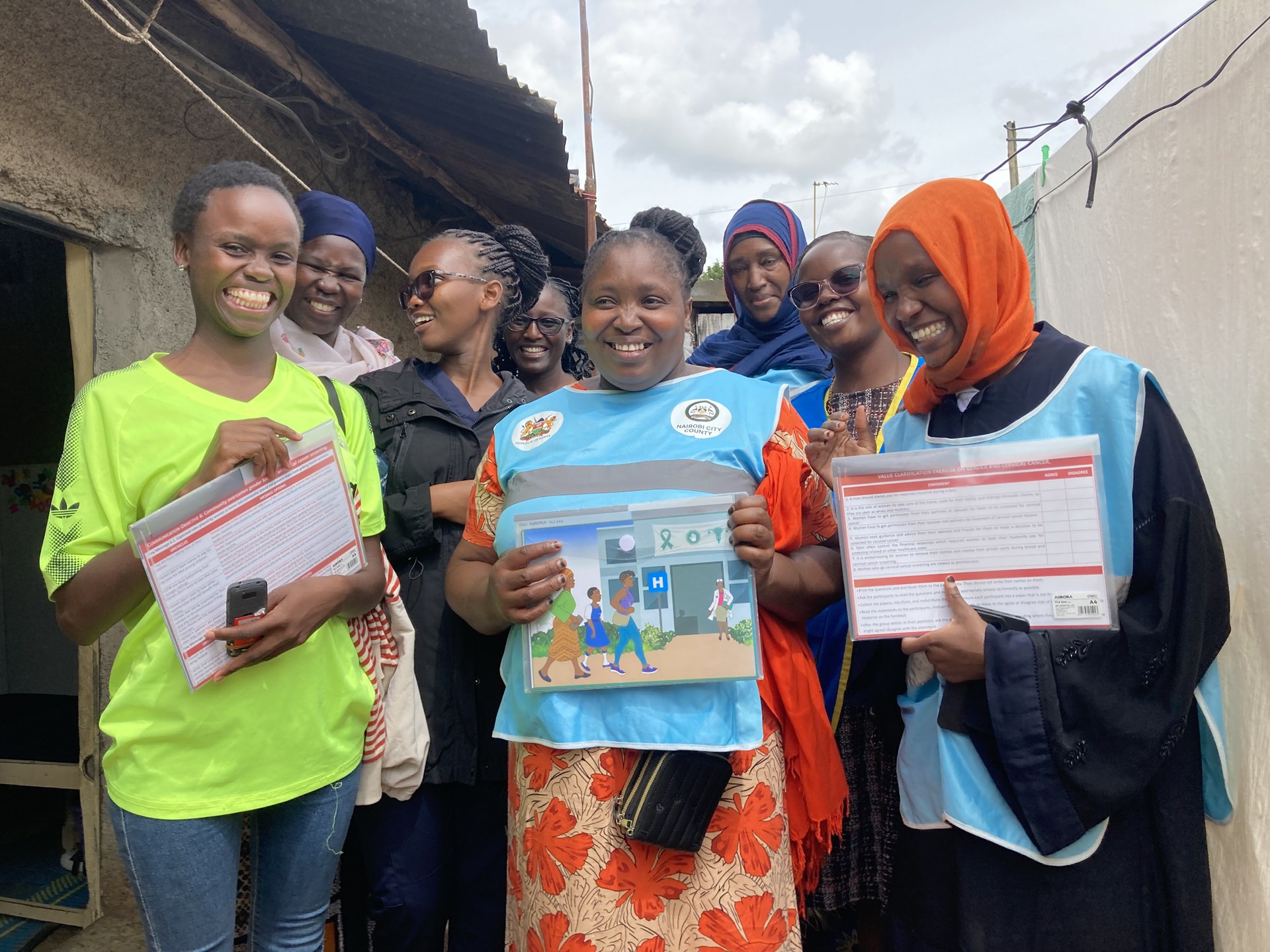
Promotion of cervical cancer prevention through early detection and treatment in Kenya
| Country | Kenya |
|---|---|
| Implementation Period | July 2022 to June 2025 |
| Funding Partner | Daiichi Sankyo Co., Ltd. |
| Local Government Partners | Nairobi County Department of Health |
Why This Project Matters:
In Kenya, breast cancer and cervical cancer are the most common cancers among women, while cervical cancer has become the leading cause of cancer deaths. Additionally, cervical cancer is the most common cancer among women living with HIV (human immunodeficiency virus) and it has been reported that HIV-positive women have six times higher risk of developing cervical cancer compared to HIV-negative women. Moreover, accurate knowledge and information about cervical cancer and sexually transmitted infections (STIs) are not sufficiently disseminated among community members, and health facilities face challenges such as inadequate capacity for screening and treatment.
Project design and implementation
The target population for this project comprises girls and women aged 10–49 years, totaling 841,078 individuals. This population faces significant gaps in access to preventive and treatment services for cervical cancer. The project aims to improve access to services and generate demand among the target population by addressing critical barriers in service delivery and awareness. The project covers three sub-counties of Nairobi County, Kenya: Makadara, Kamukunji, and Kibera/Langata.
The project contributes to the achievement of multiple Sustainable Development Goals, including:
- SDG 3: Ensure healthy lives and promote well-being for all at all ages
- SDG 5: Achieve gender equality and empower all women and girls
- SDG 17: Strengthen the means of implementation and revitalize the global partnership for sustainable development
Through targeted interventions aligned with these goals, the project seeks to create measurable improvements in cervical cancer prevention, treatment uptake, and overall women’s health outcomes, while also aligning with pharmaceutical companies’ strategic priorities in public health impact and sustainable development.
Core Interventions
The project implements three main interventions:
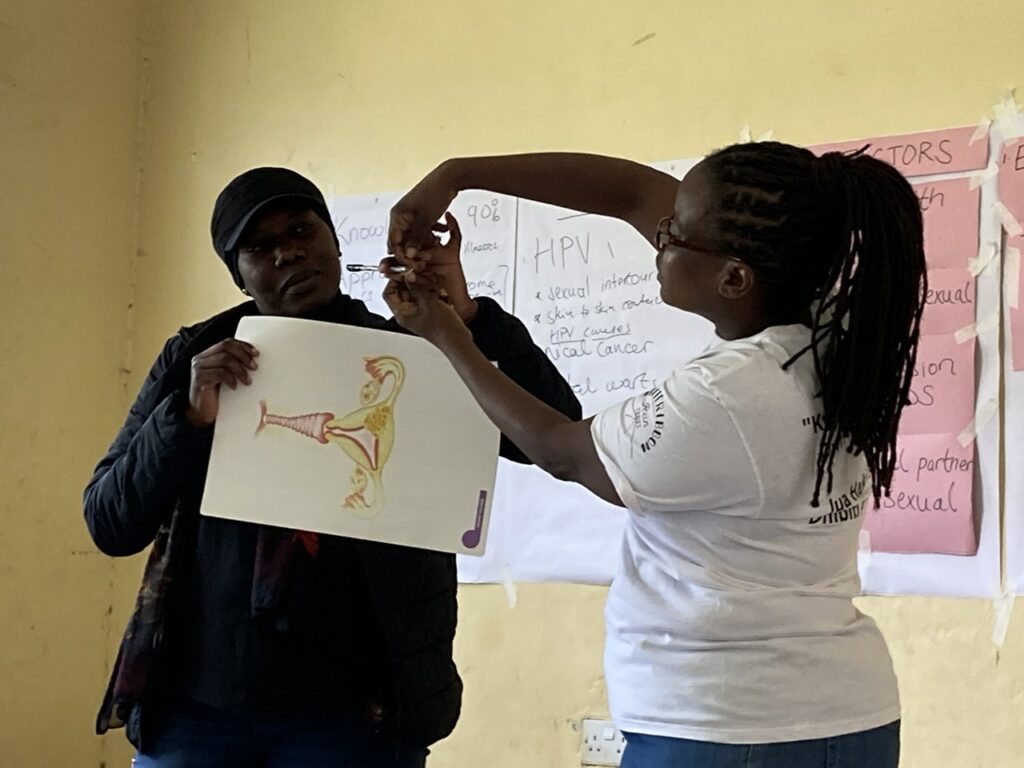
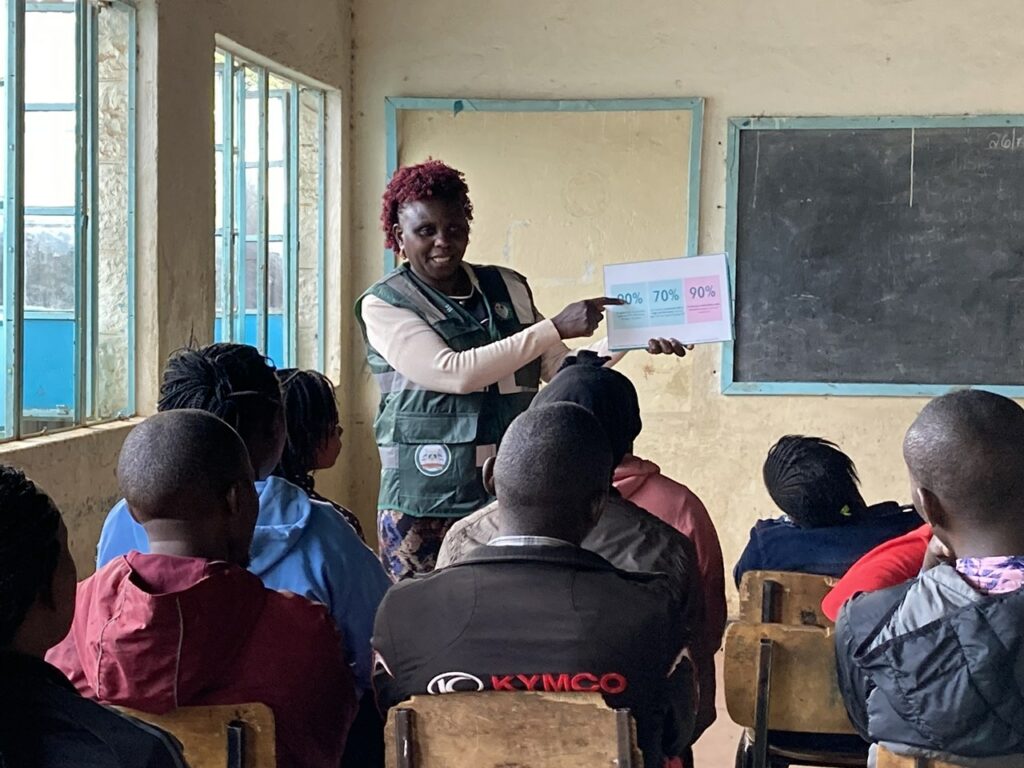
- Community Awareness and Education: Provide accurate information on sexual and reproductive health and rights (SRHR), including cervical cancer and STIs, and conduct awareness-raising activities to encourage behavior change that promotes cervical cancer prevention and screening.
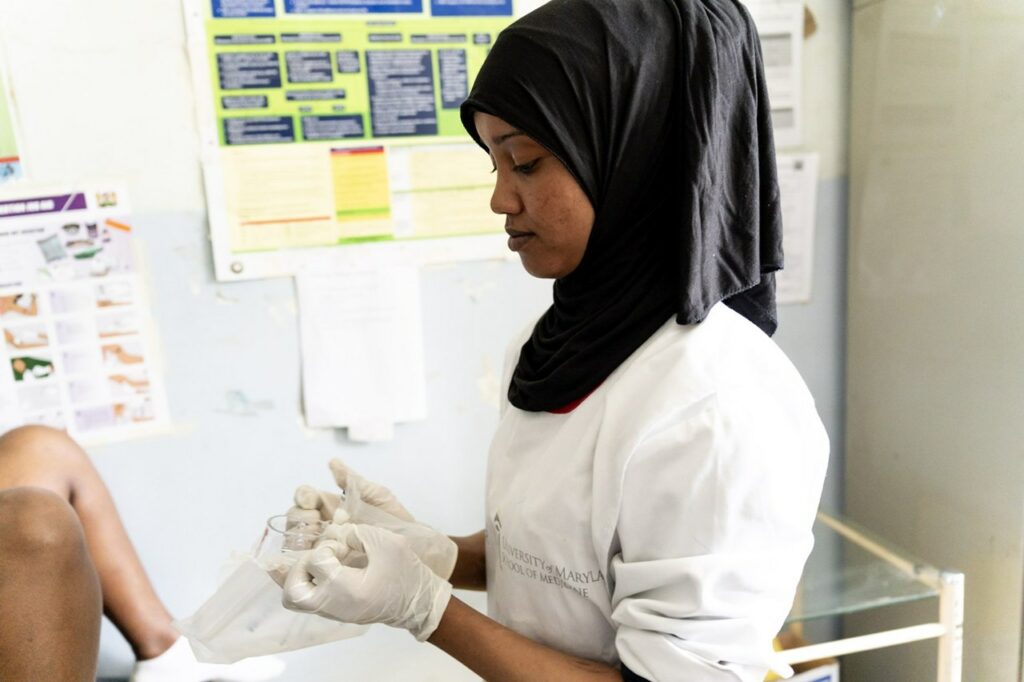
- Screening and Early Treatment: Offer cervical cancer screening and early treatment services at health facilities.
- Strengthening Referral Networks: Enhance the healthcare referral network to ensure effective screening and treatment for cervical cancer.
Scale and reach
The project has reached 177,323 people and covers 44 health facilities across the three sub-counties in three years.
How the Program Works
Implementation Approach
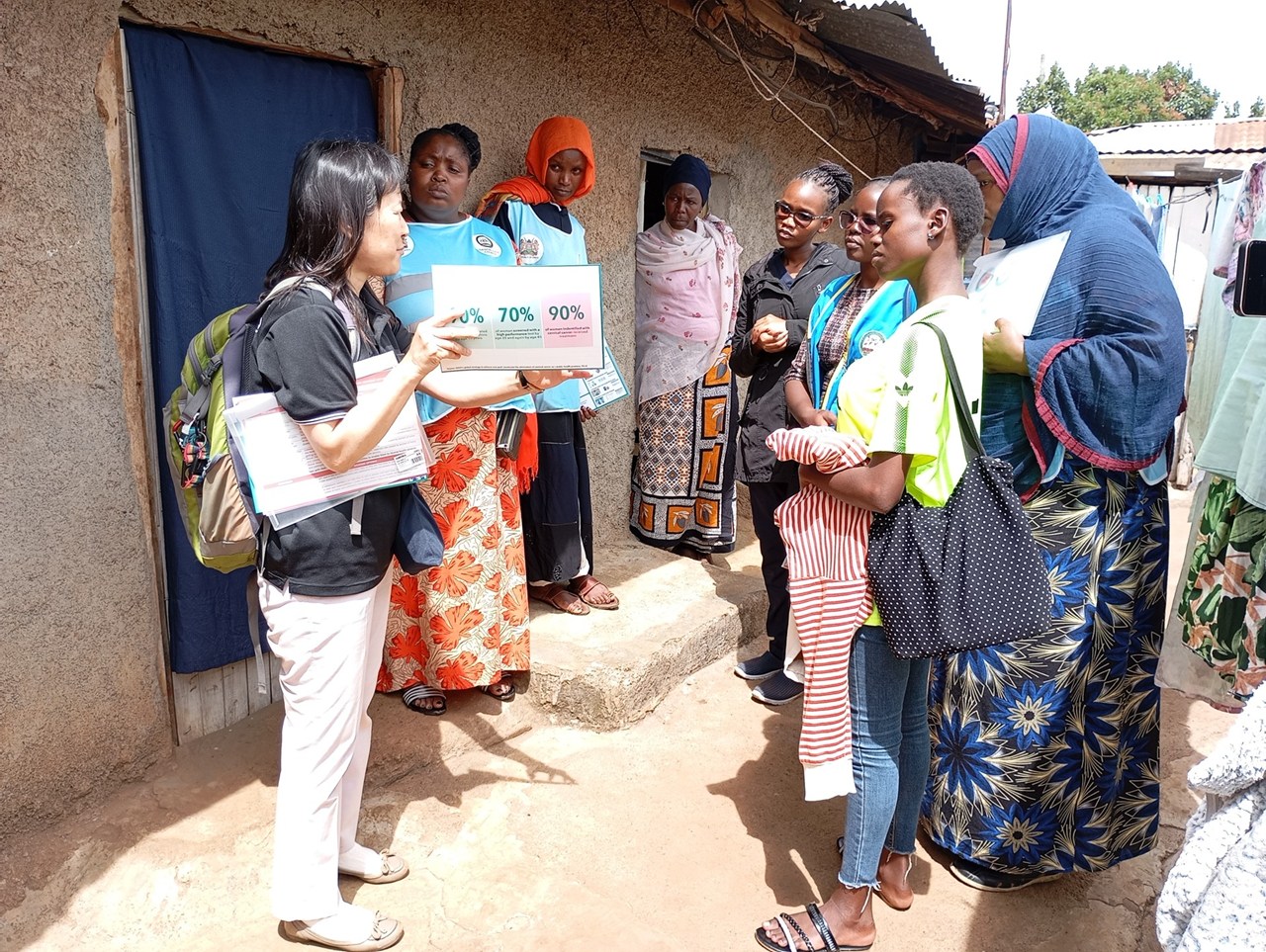
The program is implemented through a combination of community-based and system-integrated approaches, incorporating social and behavior change communication (SBCC) and capacity-building activities with focus on mentorship.
Innovative and Differentiated Elements
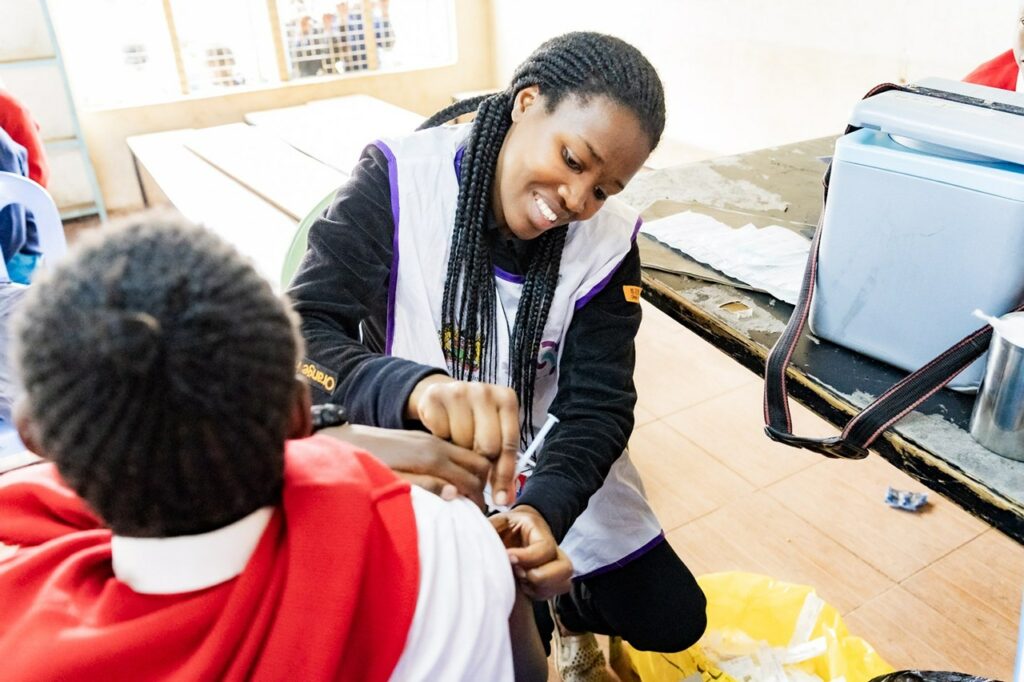
The program includes several innovative and differentiated components: it builds the capacity of healthcare workers for cervical cancer screening and treatment of precancerous lesions through mentoring; integrates cervical cancer testing into all healthcare services within each facility; and strengthens the referral system between facilities. In addition, the program conducts awareness-raising activities and provides HPV vaccination for girls and their parents or caregivers through school health initiatives. Community health volunteers are engaged to improve communication and reduce psychological barriers, while data management is strengthened by identifying gaps and promoting sustainability.
Results & Evidence
Output1:
Knowledge and attitude on cervical cancer are increased for prevention, early detection and treatment in the project sites.
- Baseline survey
- KAP study
- Training of CHVs/ BCC ambassadors/ and YCs incl. development of obstacle based messages
- Workshop with CHVs/ BCC ambassadors/ and YCs to develop communication strategies
- Development of Community Action Plan (CAPs)
- Print/ produce and distribute the IEC materials
- Adopt/ print/ distribute monitoring/ reporting formats
- Implement CAPs by CHVs, BCC Ambassadors, and YCs
- Adopt monitoring/ supervision plan to ensure quality of community volunteers’ activities
- Quarterly performance review meetings with CHVs/ BCC Ambassadors/ and YCs
Output 2:
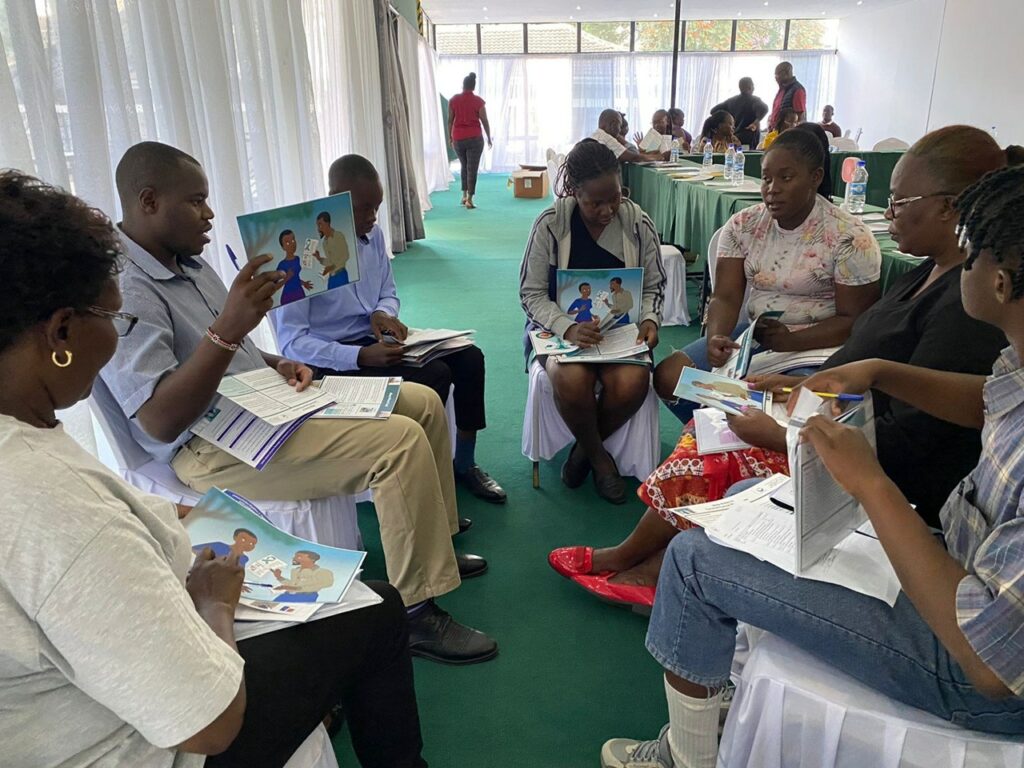
Cervical cancer screening and treatment of precancerous lesions are institutionalized as part of essential RH services in the project sites.
- Baseline survey
- Training of 70 HCWs on cervical cancer screening
- Training of HCWs on preventive therapy
- Quarterly assessment on cervical cancer screening and prevention therapy
- Provision of basic commodities and supplies.
- Print and distribute monitoring/ reporting formats
- Develop a comprehensive plan with sub county offices to institutionalize and integrate cervical cancer screening and preventive therapy
- Joint review of the implementation for the developed plan with sub county offices
Output 3:
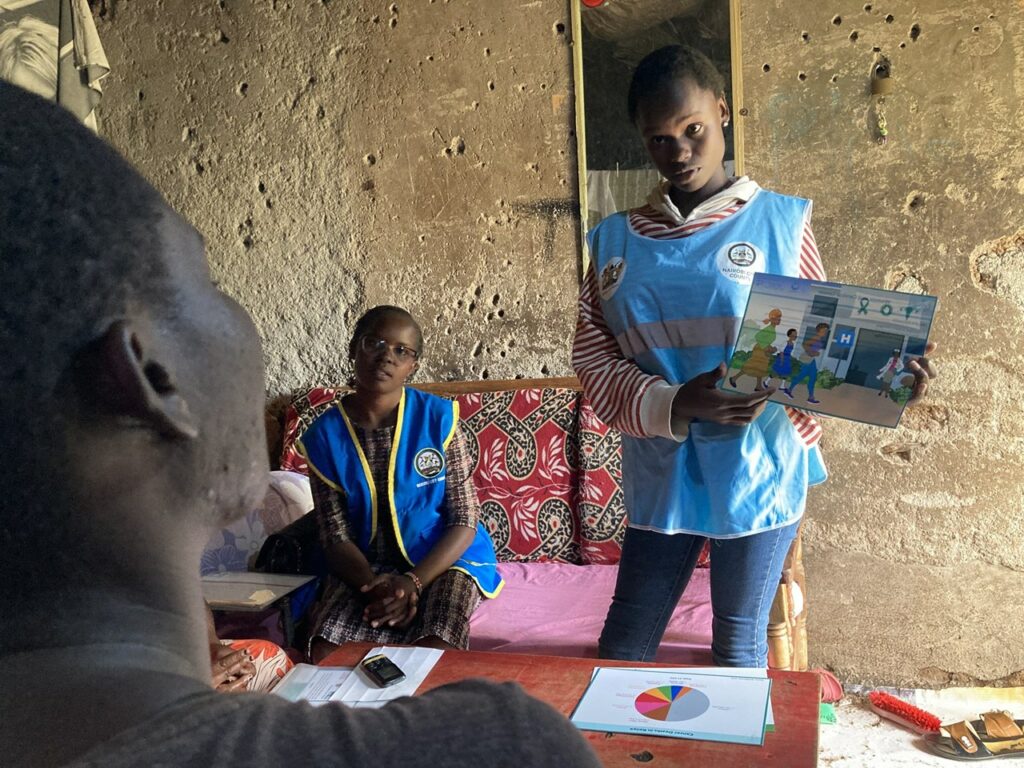
Referral network is strengthened for prevention, early detection and treatment of cervical cancer.
- Develop comprehensive referral network system for cervical cancer screening and prevention.
- Monitor the sub county offices to implement the developed comprehensive referral network system.
As a result, over the three years, more than 130,000 women in the project target areas underwent cervical cancer screening, more than 3300 women with precancerous lesion received treatment / care, and more than 42000 girls aged 9 to 14 years old received HPV vaccines.
| Indicators and output | 3-year target (%) | Before project implementation (2021/7-2022/6) | 1st Year (2022/7-2023/7) | 2nd Year (2023/8-2024/7) | 3rd Year (2024/8-2025/6) | Actual Results achieved over 3 years |
|---|---|---|---|---|---|---|
| 1. Number of women screened for cervical cancer | 137,545* | 13814 | 23502 | 25,299 | 82,430 | 131,231 |
| 1. Number of women with precancerous lesion who received treatment/care | 3714** | 52 | 1442 | 969 | 963 | 3,374 |
| 1. Number of HPV vaccine uptake (9-14 years old girls) | 44,157*** | 8,857 | 17,696 | 13,963 | 11,059 | 42,718 |
*70% (National target rate) of women of childbearing age in the three target sub-counties
** Number of women screened x 3% (prevalence rate) x 90% (National target rate)
*** Number of 9-14 years old girls in 3 sub counties (for 3 years) x 90% (National target rate)
Key Outcomes:
Compared to an initial cervical cancer screening rate of approximately 12% in the first year of the project, the screening rate increased significantly to 66.8% by the third year, approaching the national target of 70%. In addition, the HPV vaccination rate improved from 36% in the first year to 87.1% in the third year, nearing the national target of 90%. These results demonstrate the substantial impact of the project in increasing access to cervical cancer prevention, early detection, and treatment services in the target communities.
Data sources
Kenya health information systems
Sustainability & Scalability
Sustainability
The project ensured sustainability through strong government ownership and integration of activities within existing health systems. At the community level, activities were embedded into community health structures to maintain continuity and promote long-term engagement.
Scalability
This project demonstrated potential for replication and expansion. It contributed to enhancing the effectiveness of cervical cancer screening and treatment services, as well as HPV vaccination provided at government health facilities. Because the approach follows government protocols, Nairobi County can apply this model to other sub-counties, extending its impact and reach.
