
Kenya
Project to Improve Maternal Health through Strengthening Emergency Obstetric Care at Makadara Sub-County Hospital
| Project Period-start | April 2026 |
|---|---|
| Project Period-end | March 2028 |
| Counter Partners | Nairobi County Department of Health, Sub County Health Management Team in Makadara |
| Implementation Partners | Nairobi County Department of Health, Sub County Health Management Team in Makadara |
| Donation Partners | Ministry of Foreign Affairs |
| Focus | Maternal Health |
| Projected Supported Population | about 270,184 |
Kenya’s maternal mortality ratio (MMR) remains high at 379 (2023). In Nairobi, the MMR in informal settlements — including areas within Makadara Sub-County — was reported at 706 (2024), nearly double the national average, largely due to poverty and limited access to safe delivery services. Makadara Sub-County Hospital lacks a maternal operating theater, causing delays in emergency care. This project aims to contributing to reducing maternal deaths by establishing an operating theater, providing essential equipment, and implementing 5S-KAIZEN training. The new Ministry of Health’s EmONC mentoring program launched in 2022 will be introduced at three government facilities handling deliveries. Additionally, orientation training on the updated national guideline increasing antenatal care visits from 4 to 8 will be conducted for healthcare workers and community health promoters across all 11 public facilities in the sub-county. This integrated approach seeks to ensure safer deliveries and better maternal health outcomes, especially for vulnerable populations in urban slums.
Promotion of Comprehensive Sexuality Education (CSE) in Informal Settlements in Nairobi
| Project Period-start | July 2025 |
|---|---|
| Project Period-end | April 2026 |
| Counter Partners | Nairobi County Department of Health, Sub County Health Management Team in Makadara, Kamukunji and Kibera |
| Implementation Partners | Nairobi County Department of Health, Sub County Health Management Team in Makadara, Kamukunji and Kibera |
| Donation Partners | JOICFP White Rhibbon Run Donation, Kao Coorporation |
| Focus | Adolescent Sexual and Reproductive Health, CSE |
| Projected Supported Population | about 700,000 |
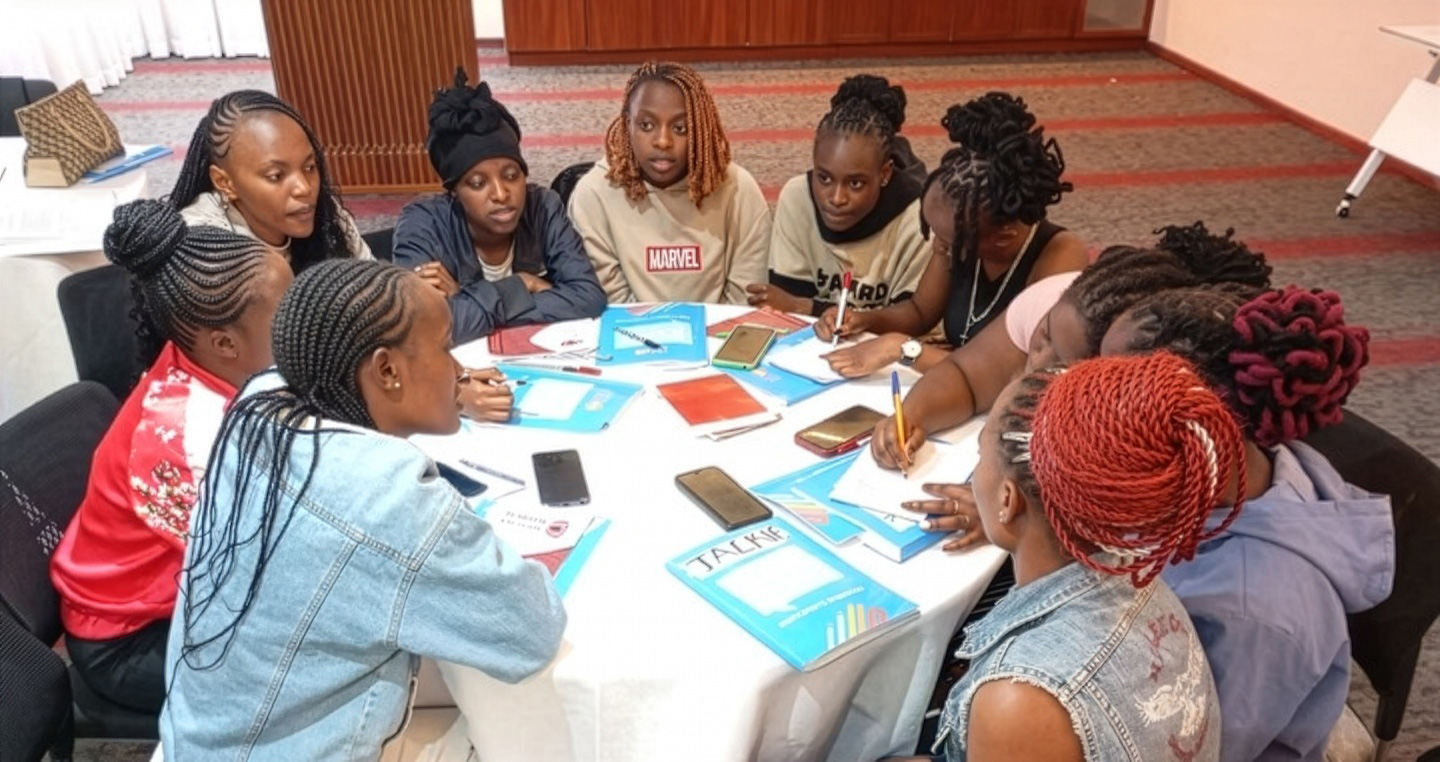
This project aims to improve sexual behaviour among adolescents and youth in three sub-counties of Nairobi County through comprehensive sexuality education (CSE). It began with the development of CSE materials based on UNFPA guidelines, followed by training of trainers (ToT). A total of 12 trained facilitators have since conducted 15 sessions, reaching 150 adolescents living in informal settlements in Nairobi. While schools follow the government curriculum, this project specifically targets out-of-school youth, who have limited access to structured sexuality education.
Promotion of cervical cancer prevention through early detection and treatment in Kenya
| Project Period-start | July 2022 |
|---|---|
| Project Period-end | June 2025 |
| Counter Partners | Nairobi County Department of Health, Sub County Health Management Team in Makadara, Kamukunji, Langata and Kibera |
| Implementation Partners | Nairobi County Department of Health, Sub County Health Management Team in Makadara, Kamukunji, Langata and Kibera |
| Donation Partners | Daiichi Sankyo Co. Ltd. |
| Focus | Cervical Cancer |
| Projected Supported Population | about 700,000 |
In four target sub-counties of Nairobi County, this project — implemented alongside the JPP 55 Challenge — aims to improve access to sexual and reproductive health (SRH) services by promoting preventative awareness and screening for cervical cancer and sexually transmitted infections.
Gender mainstreaming in prevention of cervical cancer
| Project Period-start | August 2024 |
|---|---|
| Project Period-end | June 2025 |
| Counter Partners | Nairobi County Department of Health, Sub County Health Management Team in Makadara, Kamukunji, Langata and Kibera |
| Implementation Partners | Nairobi County Department of Health, Sub County Health Management Team in Makadara, Kamukunji, Langata and Kibera |
| Donation Partners | JOICFP Donation |
| Focus | Adolescent Sexual and Reproductive Health |
| Projected Supported Population | about 700,000 |
In four sub-counties of Nairobi County, this project aims to increase access to accurate SRHR information for youth aged 10 to 24 through sexuality education activities led by school health nurses and youth volunteers. The goal is to empower young people to take preventive action against unintended pregnancies and sexually transmitted infections. (Schools follow the government curriculum, while comprehensive sexuality education (CSE) targets out-of-school youth.)
