
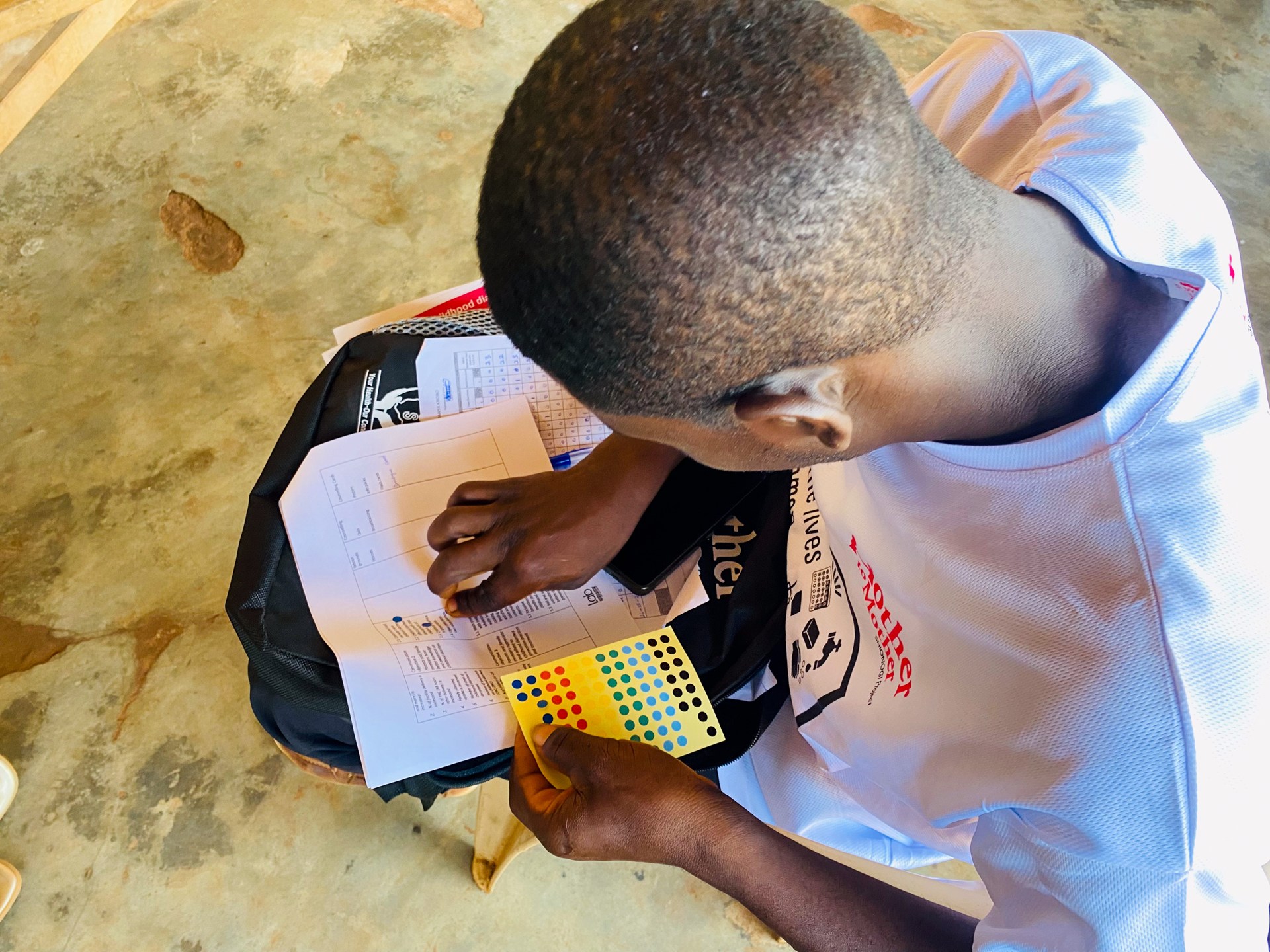
Mother to Mother SHIONOGI Project
Project Title: Promotion of Maternal, Newborn and Child Health (MNCH) through community empowerment in Upper Manya Krobo District, Ghana
Countries: Ghana
Implementation Period: June 2023 – May 2026
Funding Partner: Shionogi & Co., Ltd. (Mother to Mother SHIONOGI Project)
Local Government Partners: Ghana Health Services (GHS)
Why this project matters
- High maternal mortality: Ghana’s maternal mortality ratio remains high at 263 deaths per 100,000 live births (2020), approximately 66 times higher than Japan’s.
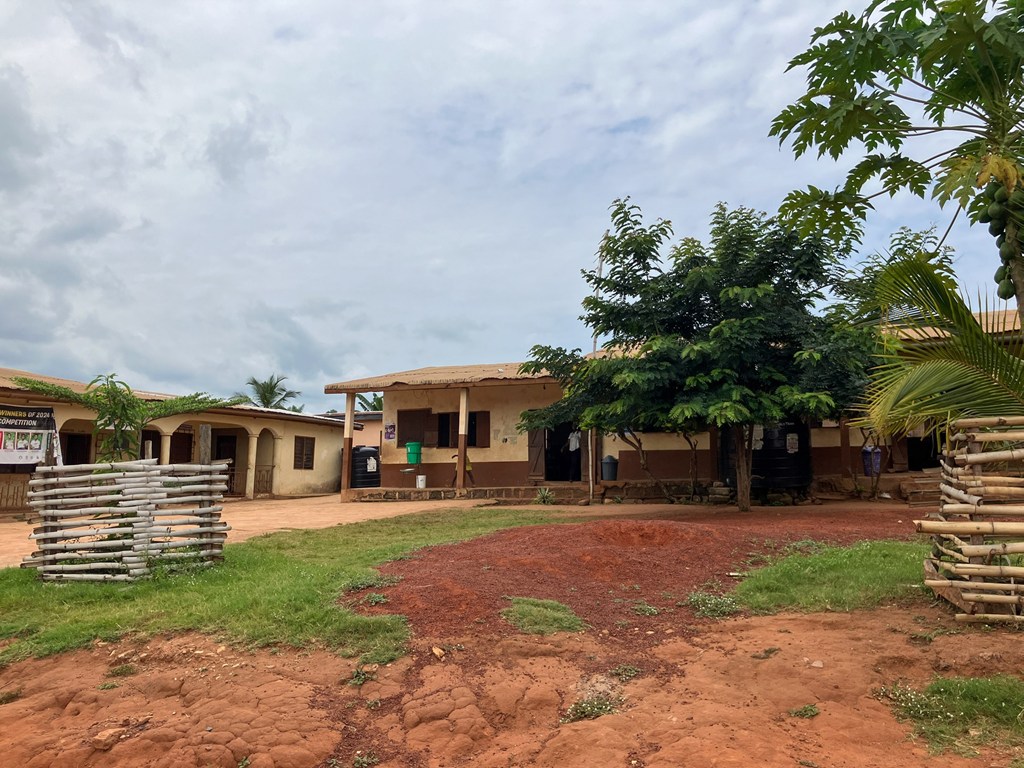
- Severe access barriers: In Upper Manya Krobo District, poor road infrastructure and reliance on lake transport mean that women often travel 10–20 km, sometimes by boat, to reach health facilities.
- Low skilled birth attendance: Only 45.8% of deliveries are attended by skilled birth attendants (SBAs), far below the national target of 90%.
- Facility readiness gaps: Many of the district’s 47 health facilities lack staff accommodation, adequate privacy space, and essential equipment, limiting 24-hour service delivery and quality of care.
- Quality of care affects service utilization: Efforts to increase demand for antenatal care (ANC), facility-based delivery, postnatal care (PNC), and family planning (FP) must be matched by reliable, high-quality services to sustain care-seeking behavior.
- High burden of childhood diarrhea: Diarrheal diseases account for 9% of deaths among children under five in Ghana and are closely linked to poor water, sanitation, and hygiene (WASH) conditions.
- Low WASH and ORS coverage: Only 45.0% of residents have correct WASH knowledge, 34.1% practice proper handwashing, and just 48% of children with diarrhea receive oral rehydration salts (ORS).
- Need for integrated community–facility linkages: Coordinated engagement of healthcare workers, community health volunteers (CHVs), and over-the-counter medicine (OTCM) sellers is essential to improving maternal and child health outcomes.
Project design and implementation
The Mother to Mother SHIONOGI Project was implemented in the district, targeting:
- women of reproductive age (15–49 years) including pregnant women;
- children under five and their households;
- households in underserved communities;
- healthcare workers; and
- community health volunteers (CHVs) and over-the-counter medicine (OTCM) sellers.
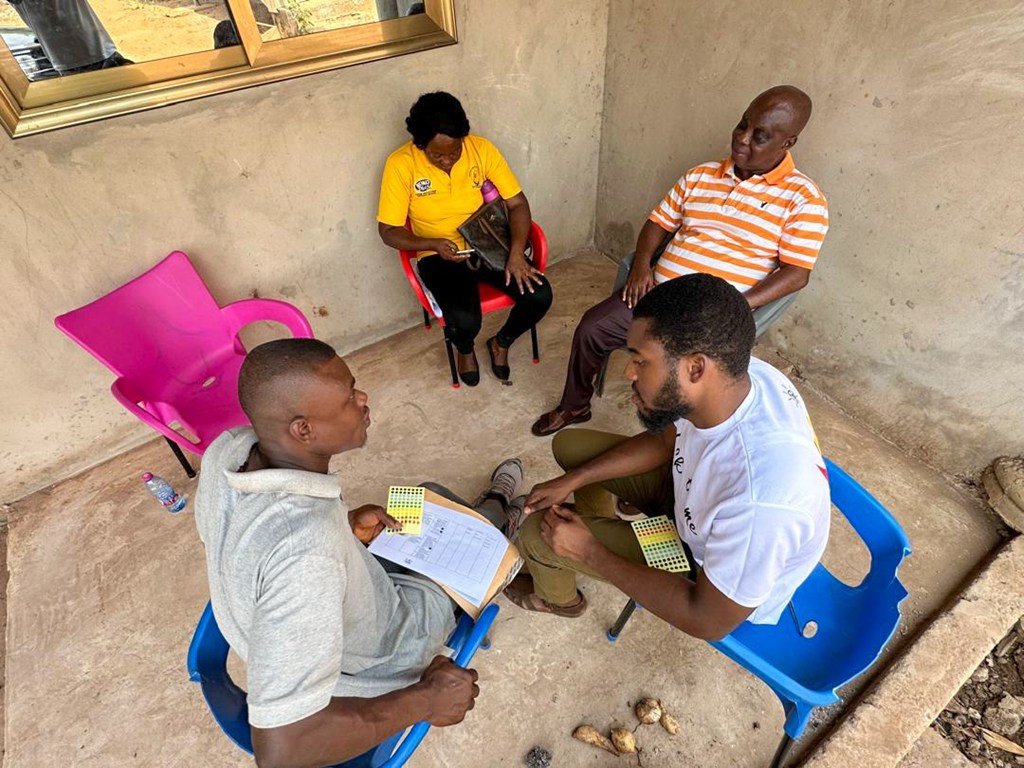
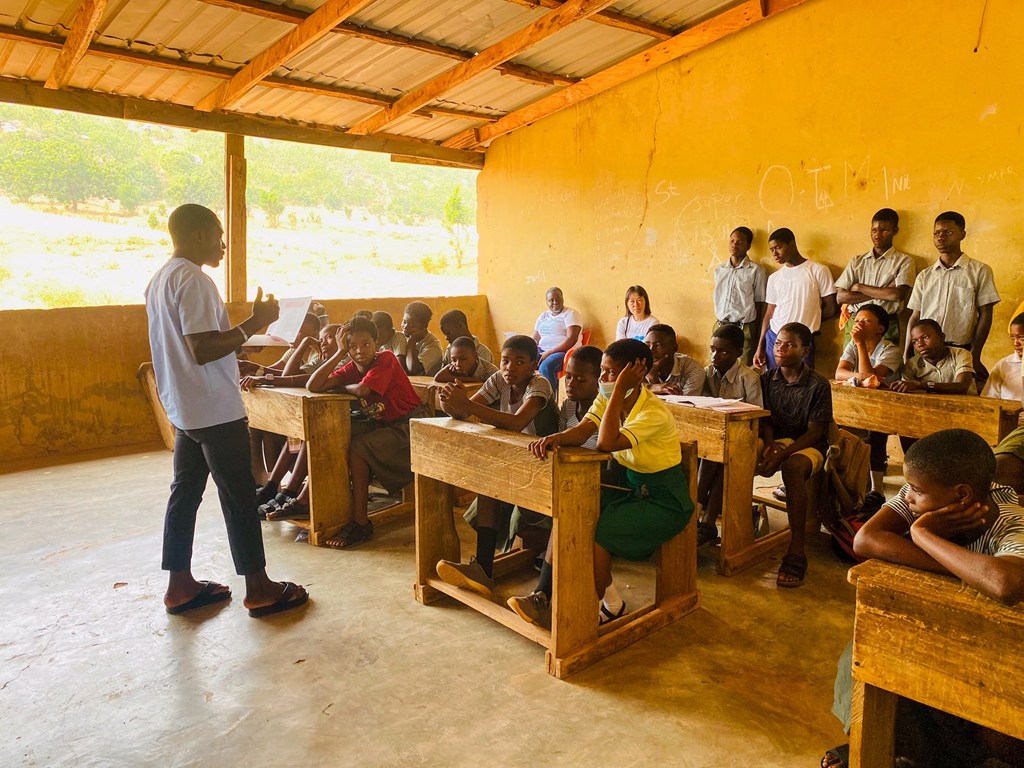
The project adopts an integrated community- and facility-based approach to improve maternal, newborn, and child health (MNCH), including the prevention of childhood diarrhea. It strengthens the quality and readiness of MNCH services at health facilities while simultaneously increasing knowledge and awareness of ANC, facility-based delivery, PNC, FP, and diarrhea prevention through evidence-based social and behavior change communication (SBCC). In parallel, the project reinforces community support systems by building the capacity of CHVs and OTCM sellers and strengthening linkages between communities and health facilities. This ensures continuity of care and contributes to sustainable improvements in MNCH outcomes.
Key activities
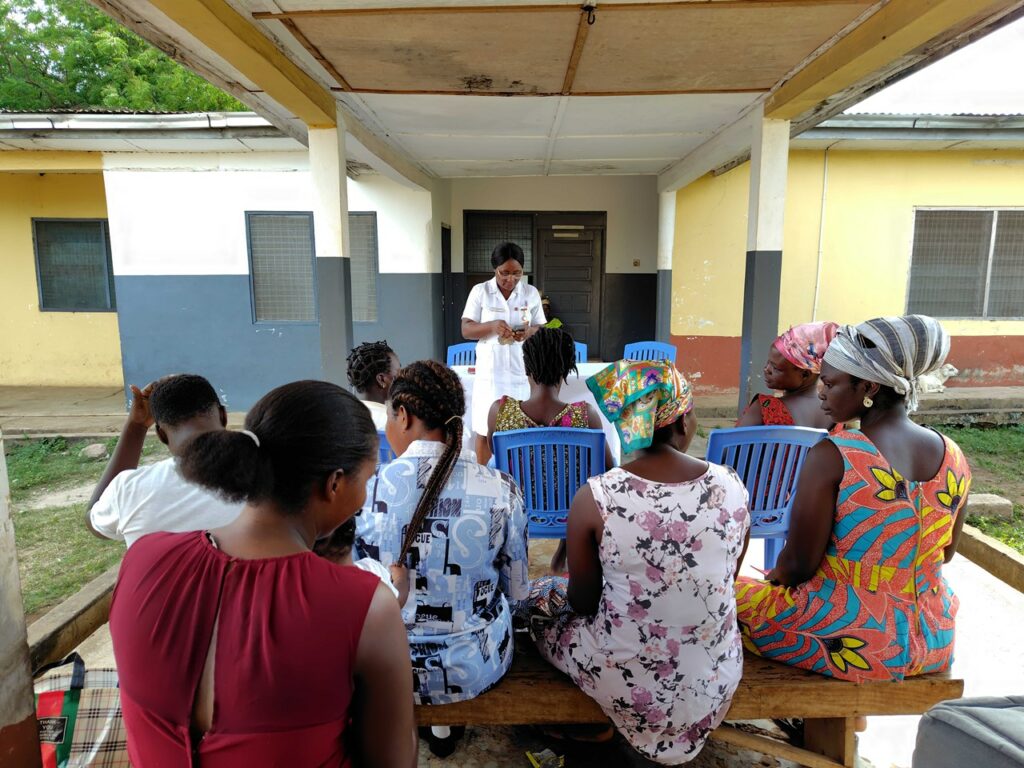
- Trained health staff on MNCH and childhood diarrhea prevention.
- Upgraded health facility infrastructure, including a Maternity Waiting House, CHPS compounds (community-based primary health facility in Ghana), nurses’ quarters, and essential medical equipment.
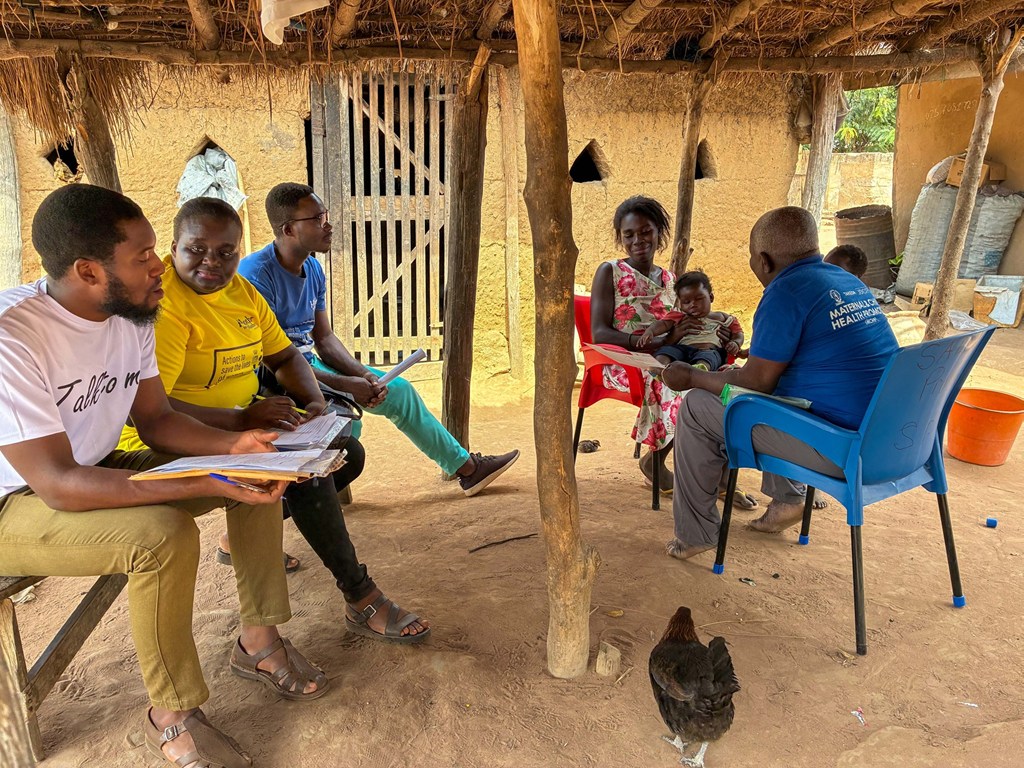
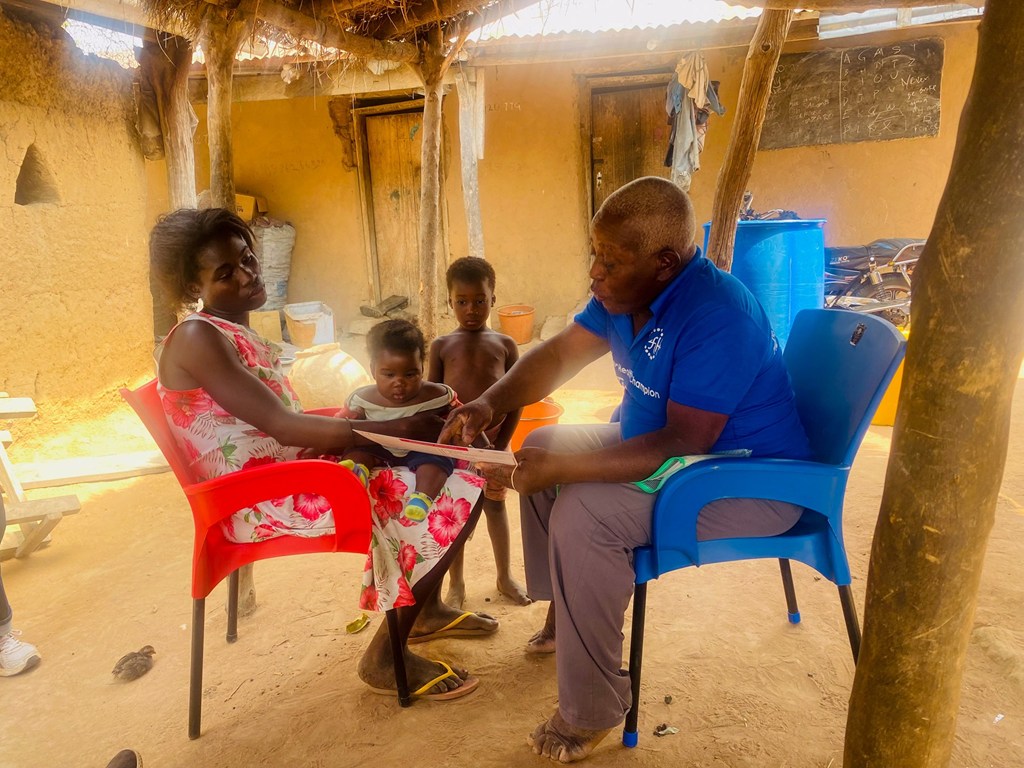
- Built the capacity of CHVs and OTCM sellers to support MNCH and diarrhea prevention at the community level.
- Developed and implemented SBCC strategies, tools, and community action plans.
- Strengthened community governance and referral systems through engagement with Community Health Management Committees (CHMCs).
- Ensured continuous monitoring, joint reviews, and sustainability planning.
Scale and reach
The project serves a total population of 72,160 people across five sub-districts in Upper Manya Krobo, demonstrating broad geographic coverage and strong community-level engagement. Direct beneficiaries include 105 CHVs—comprising 90 Maternal and Child Health Promoters (MCHPs) and 15 OTCM sellers—who play a vital role in community outreach and behavior change. In addition, the project supports 64 healthcare workers providing services at health facilities and 112 CHMC members responsible for local health governance. Through this multi-level engagement, the project strengthens both service delivery and community support systems, ensuring impact across households, communities, and health facilities.
Sustainability
The project’s sustainability is reinforced through joint implementation with local stakeholders, including the Ghana Health Services and community actors such as CHMCs. By conducting monitoring and review activities together with these partners, the project strengthens local ownership and helps ensure that systems and practices continue beyond the project period. Each target community has also developed its own Sustainability Plan, setting realistic and locally achievable goals for post-project implementation. In addition, a Maternity Waiting House Handbook has been developed as a practical management guide, enabling communities to independently operate, maintain, and take long-term ownership of the facilities.
Scalability and partnership value
The project demonstrates strong scalability and partnership value through its integrated, system-based approach and close collaboration with key stakeholders. Implemented jointly with the Ghana Health Services, district health authorities, and community structures such as CHMCs, the project aligns with national MNCH priorities while strengthening coordination between communities and health facilities. Standardized training packages, SBCC tools, monitoring frameworks, and sustainability planning, together with the Maternity Waiting House Management Handbook, provide practical guidance for facility management as well as clear blueprints and step-by-step instructions for construction, operation, and day-to-day management. These resources enable the model to be readily adapted and replicated in other districts. By combining public sector leadership, community ownership, and private sector support, the project offers a scalable model for delivering sustainable MNCH interventions in remote and resource-constrained settings.
