
Takeda Global CSR Program
Community for Reproductive Health (C4RH)
Project Title: Protecting the Lives of Pregnant Women in Africa
Countries: Ghana, Kenya, Tanzania, Zambia
Implementation Period: January 2018 – December 2022
Funding Partner: Takeda Pharmaceutical Company (Global CSR Program)
National Counterparts: Ghana Health Services (GHS); Ministries of Health of Kenya, Tanzania, and Zambia.
Implementation Areas and Coverage
| Country | Implementation Areas | Supported population |
|---|---|---|
| Ghana | Suhum, Kwahu East, Akyemansa, Upper Manya Krobo, Lower Manya Krobo, and Yilo Krobo, Eastern Region | 718,263 |
| Kenya | Makadara, Kamukunji, and Kibera, Nairobi County, and Nyeri Central, Nyeri County | 981,416 |
| Tanzania | Bali, Dodoma Region | 247,746 |
| Zambia | Mpongwe, Copperbelt Province, and Kapiri Mposhi, Central Province | 584,174 |
Why this project matters
At project inception, the implementation areas faced;
- High maternal mortality ratio (MMR).
- High adolescent pregnancy.
- Limited awareness and demand for sexual and reproductive health and rights (SRHR) and maternal health services, particularly among adolescents and women of reproductive age.
- Gaps in service readiness and quality at primary health care facilities
- Weak continuity of care across the maternal and reproductive health continuum.
- Weak referral pathways between communities and health facilities.
- Persistent inequities in access to family planning and maternal health services.
The C4RH project was designed to address the underlying drivers of high MMR and adolescent pregnancy through an integrated approach targeting both demand- and supply-side barriers. At the community level, it strengthened awareness of SRHR and maternal health services, supported positive social norms, and promoted health-seeking behaviors to increase timely uptake of family planning and maternal health services. At the health system level, the project strengthened service readiness and quality at primary health care facilities, strengthened continuity of care across the maternal and reproductive health continuum, reinforced referral pathways between communities and facilities, and expanded equitable access to essential services. Together, these interventions contributed to safer pregnancies, reduced preventable maternal deaths, and improved reproductive health outcomes.
Through this approach, the project contributed to the development of a functional access-to-care ecosystem and supported country progress toward the Sustainable Development Goals (SDGs), particularly SDG 3 (Good Health and Well-Being), SDG 5 (Gender Equality), and SDG 17 (Partnerships for the Goals).
Project design and implementation
The C4RH project targeted;
- women of reproductive age (15–49 years), including pregnant women; and
- adolescents and youth;
in underserved communities.
Its interventions followed a community-based, system-integrated model that combined social and behavior change communication (SBCC), health facility quality improvement, and capacity building.
Key activities
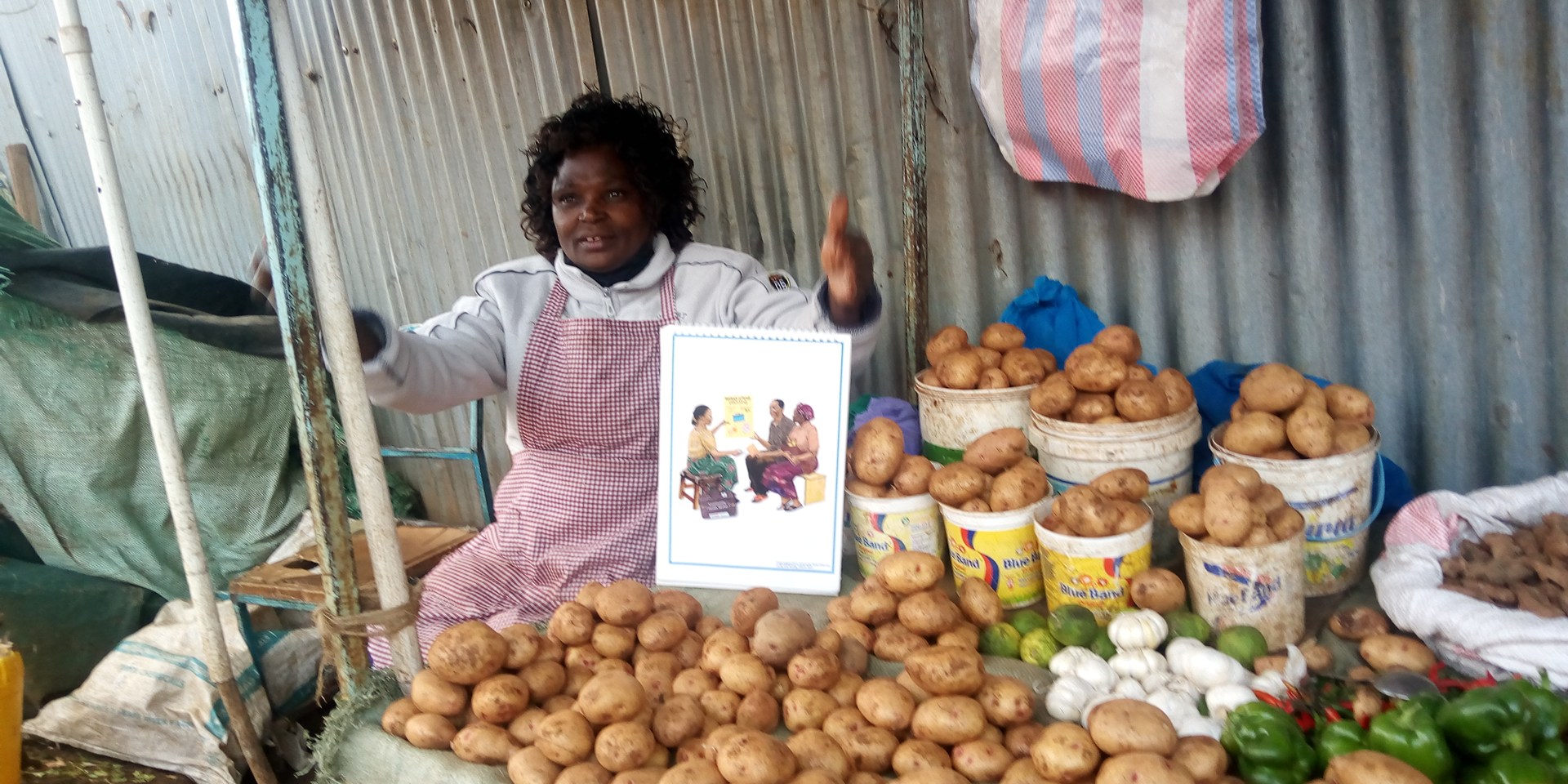
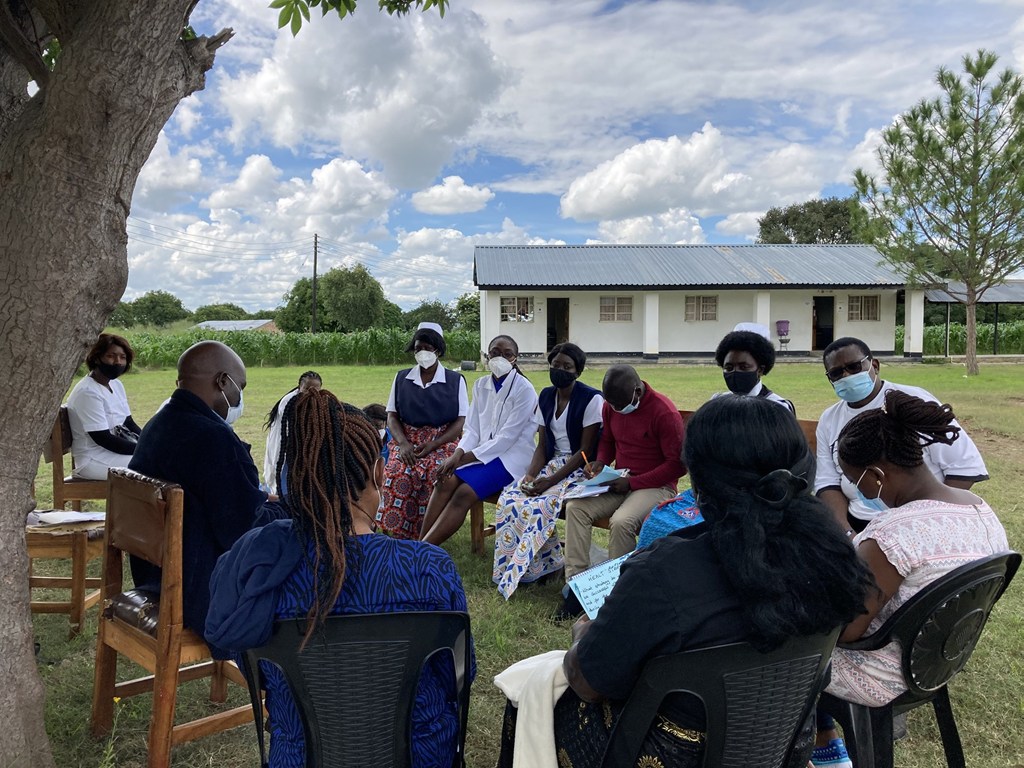
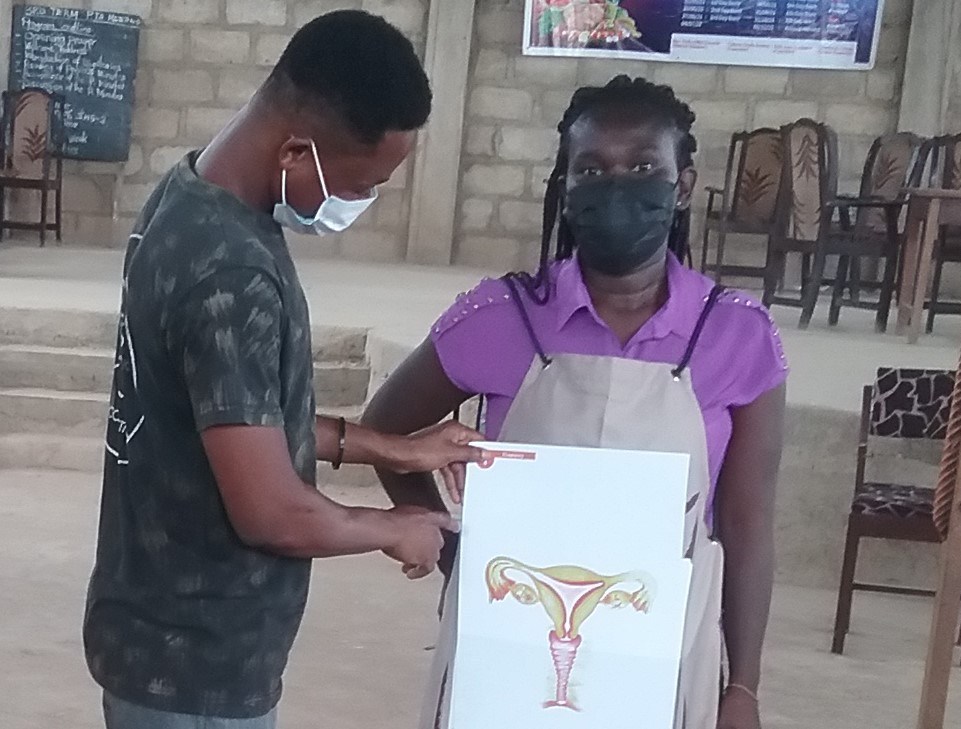
- Training of community health volunteers (adults) and peer educators (young people).
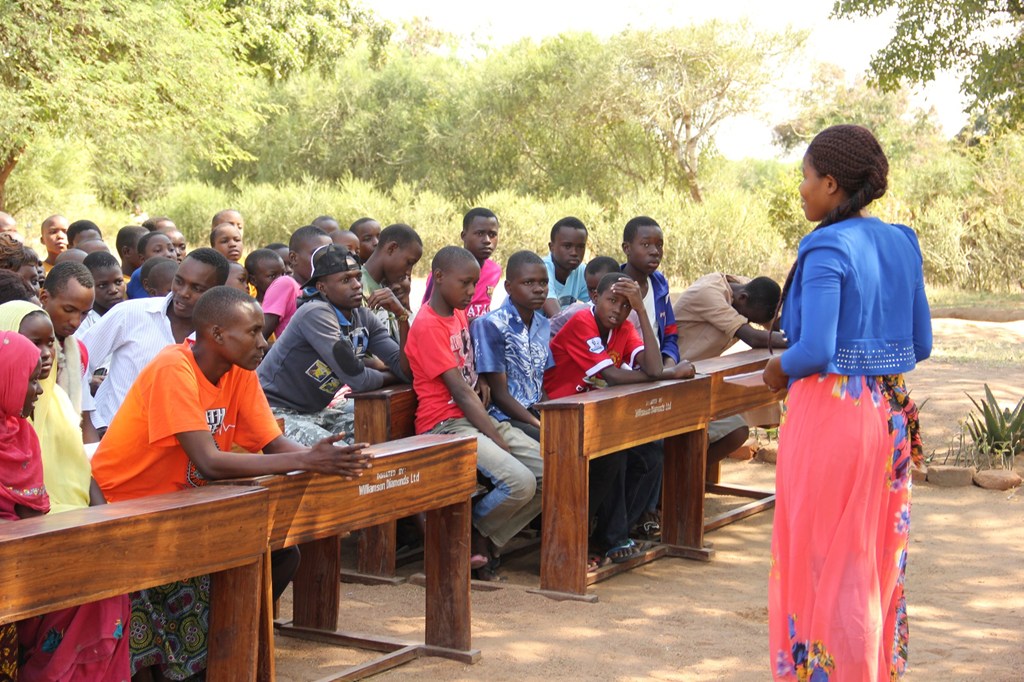
- Community outreaches through household visits, group sessions, and local forums.
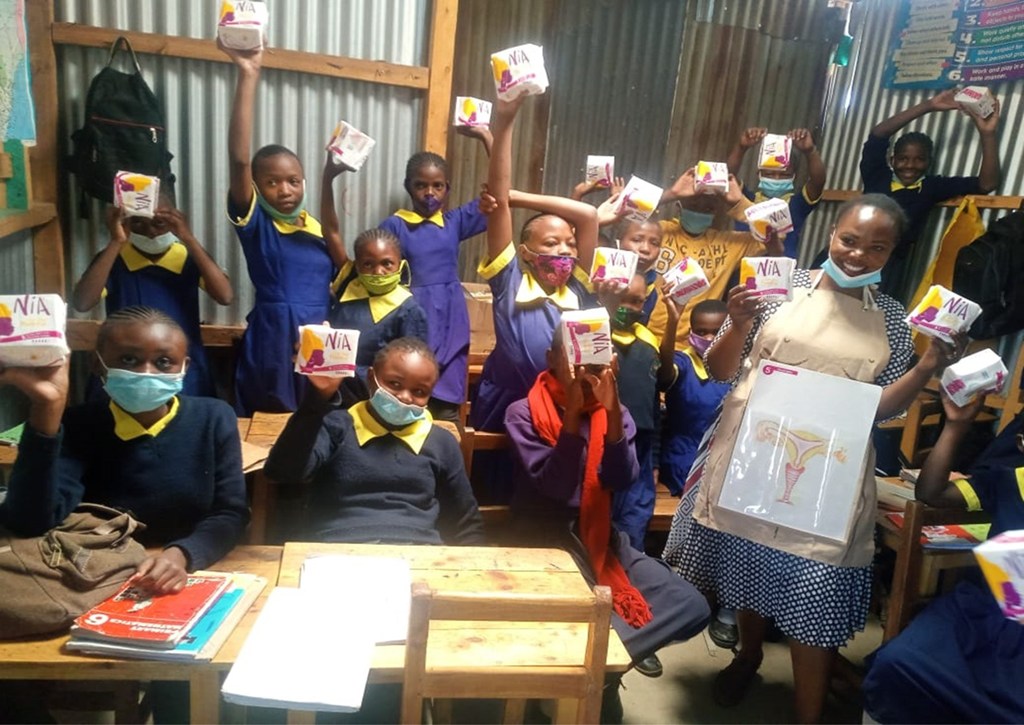
- Community-based health education on safe motherhood, adolescent SRHR, and family planning.
- Strengthening of referral and follow-up mechanisms.
- Capacity enhancement for healthcare workers.
- Provision of essential medical equipment to health facilities.
- Introduction of quality improvement approaches (e.g., 5S methodology).
- Support to address infrastructure gaps, including the construction of health facilities.
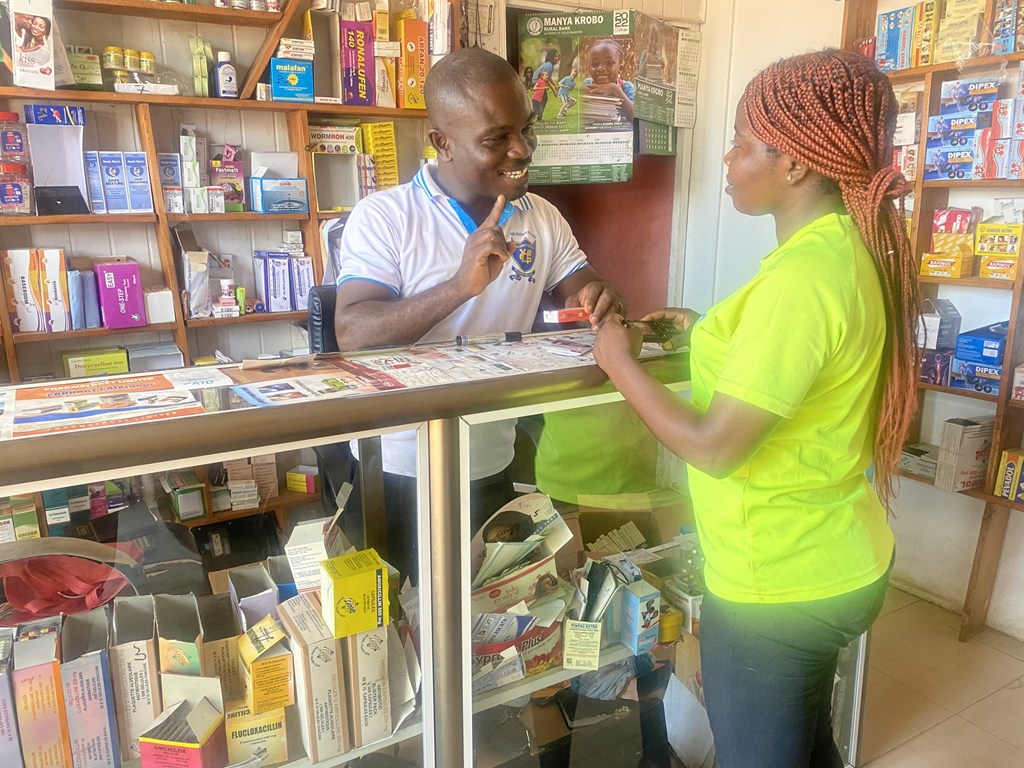
- Collaboration with key community stakeholders (e.g., community leaders, traditional leaders, religious leaders, over-the-counter medicine sellers (OTCMs), etc.).
- Strengthening of community health committees.
Scale and Reach
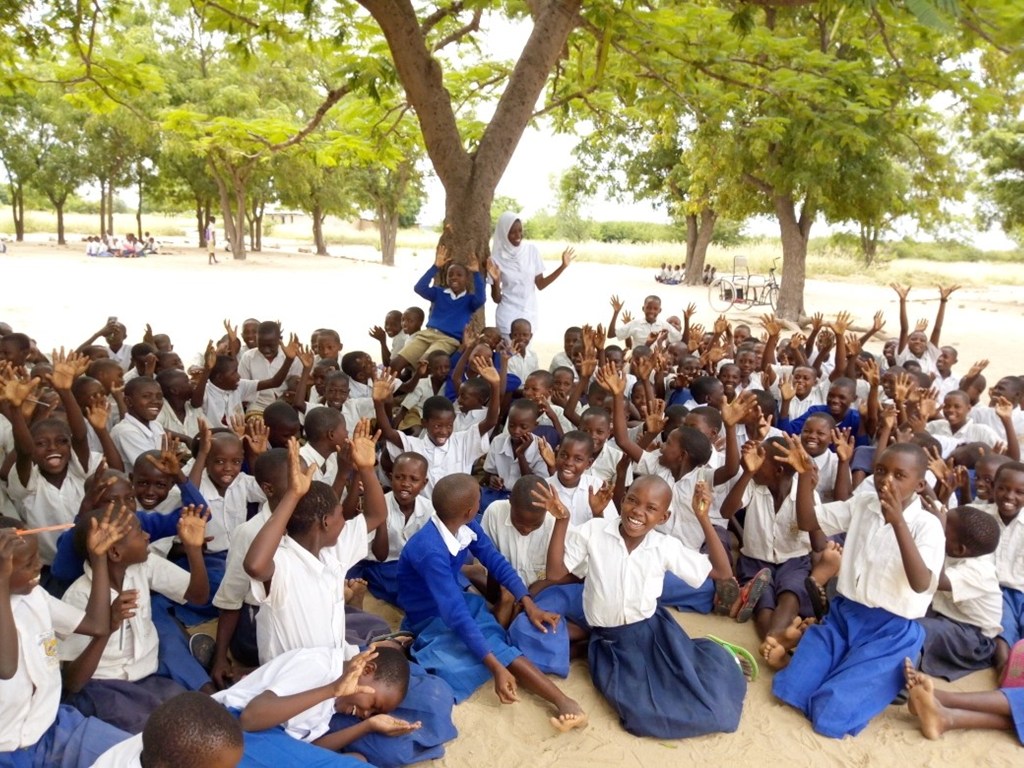
The project was implemented across districts in the four countries, reaching a combined population of approximately 2.5 million people.
More than 1.1million community members were reached with SRHR and maternal health information through sustained community-based activities. Among them, over 400,000 individuals were successfully linked to family planning (FP), adolescent SRHR, and maternal health services.
Multiple primary health facilities were supported to strengthen service readiness and improve the quality of care.
Results and Outcomes
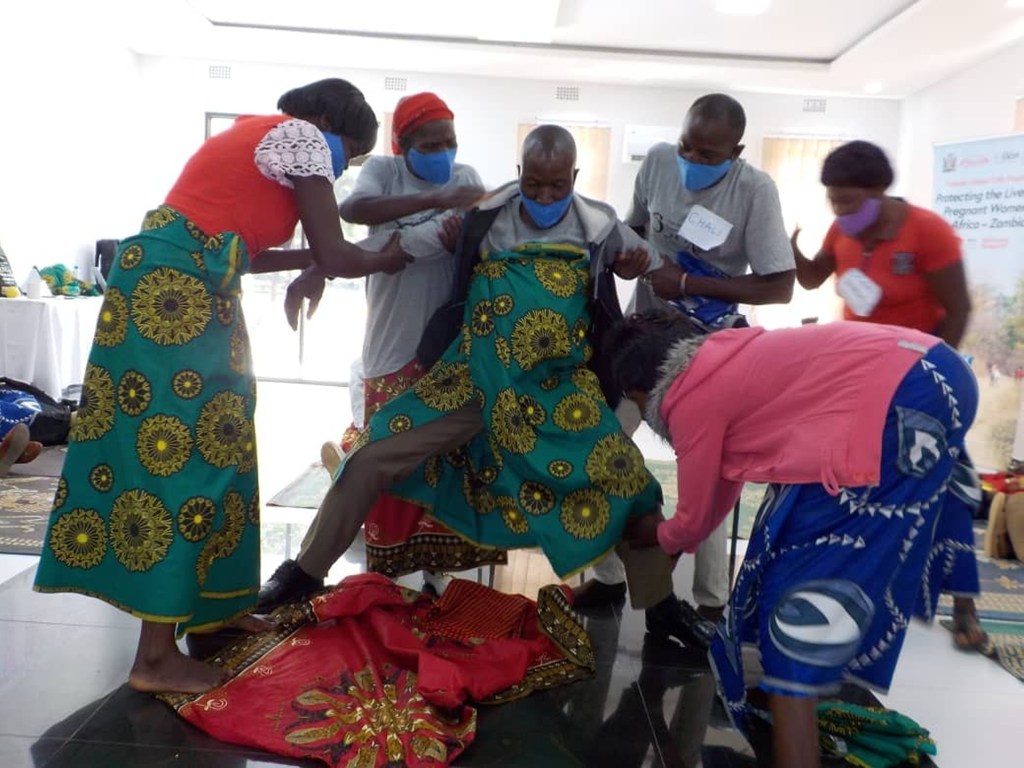
- Increased awareness of maternal health and SRHR, stronger male engagement, more supportive social norms, and improved health-seeking behaviors at the community level, contributing to greater acceptance and timely use of health care services.
- Increased uptake of FP, adolescent SRHR services, higher attendance at four or more antenatal care visits, improved postnatal follow-up, and increased facility-based deliveries.
- Stronger continuity of care across the maternal and reproductive health continuum through more effective referral linkages between communities and primary health care facilities.
- Improved service readiness, quality of care, and client experience at supported health facilities.
- Enhanced environment for appropriate and sustained use of health commodities and equipment.
Sustainability
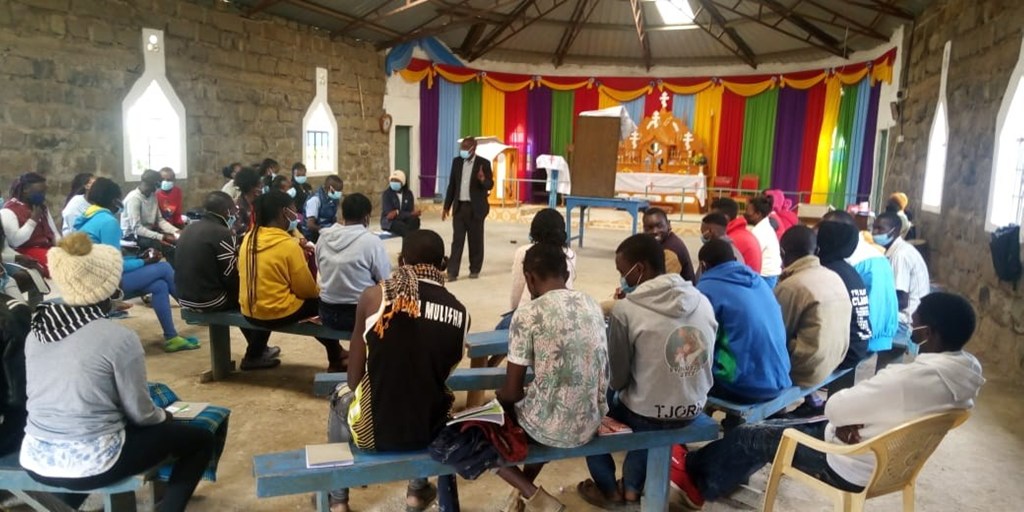
Sustainability was ensured through strong government ownership through integration with district health systems. By strengthening the capacity of existing health workers, community health volunteers, and over-the-counter medicine (OTCM) sellers, the project embedded skills, knowledge, and quality improvement practices within the health system, ensuring that the positive impact continues beyond the funding period.
Scalability and partnership value
- The C4RH model is proven and adaptable across diverse country contexts.
- Its community-centered, government-aligned design makes it well-suited for expansion to other districts, regions, and health priorities.
- The model is flexible and can integrate additional interventions and products such as maternal and child nutrition, adolescent wellbeing, and the prevention and management of sexually transmitted infections (STIs).
- It has demonstrated the ability to operate at a population scale in low-and middle-income settings.
- The project has shown credible implementation with measurable improvements in health outcomes and access to services.
- It strengthens demand, awareness, and the appropriate use of health products and services.
- It contributes to building a resilient primary health care ecosystem.
- It aligns with SDGs
For reference:
- Documentation on Protecting the Lives of Pregnant Women in Africa-Community centered Sustainable Health Promotion Program https://www.joicfp.or.jp/jpn/wp-content/uploads/2023/02/takeda-booklet-20221215-web-small.pdf
- Effectiveness of a community-based intervention package in maternal health service utilization: A cross-sectional quasi-experimental study in rural Ghana, PLOS One, November 25, 2024, https://doi.org/10.1371/journal.pone.0311966
